Procedures Without Central Authority
In this body of work, instinct is treated as if it could be organized, catalogued, and administered. Animals are placed within fictional bureaucratic structures that attempt to formalize behaviors such as timing, cooperation, withdrawal, and adaptation.
Each piece pairs a precise institutional title with a restrained textual statement, suggesting systems that document rather than direct. Control is implied, but never fully enacted.
The works explore what happens when self-organizing processes are viewed through the lens of administration. What appears is a quiet mismatch: systems built for regulation encounter forms of intelligence that operate without hierarchy or central control.
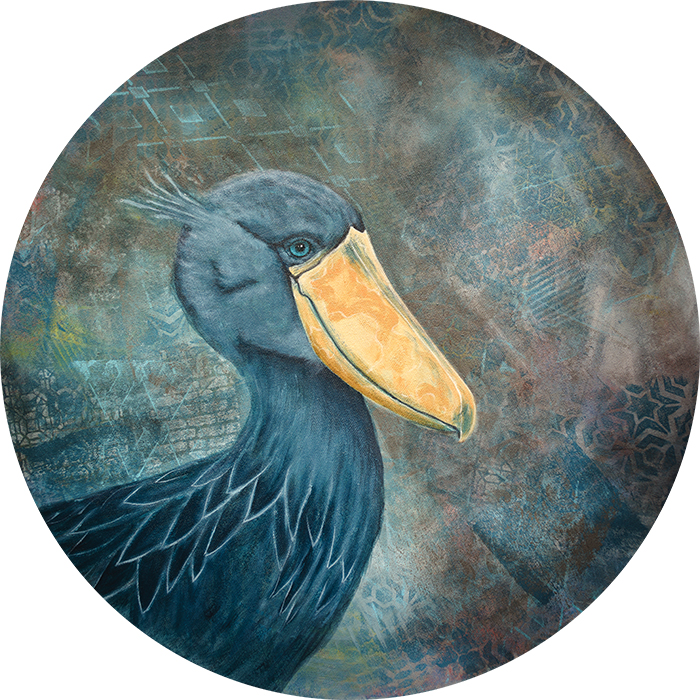
§ 1 The procedure remains.
§2 No revision occurs.
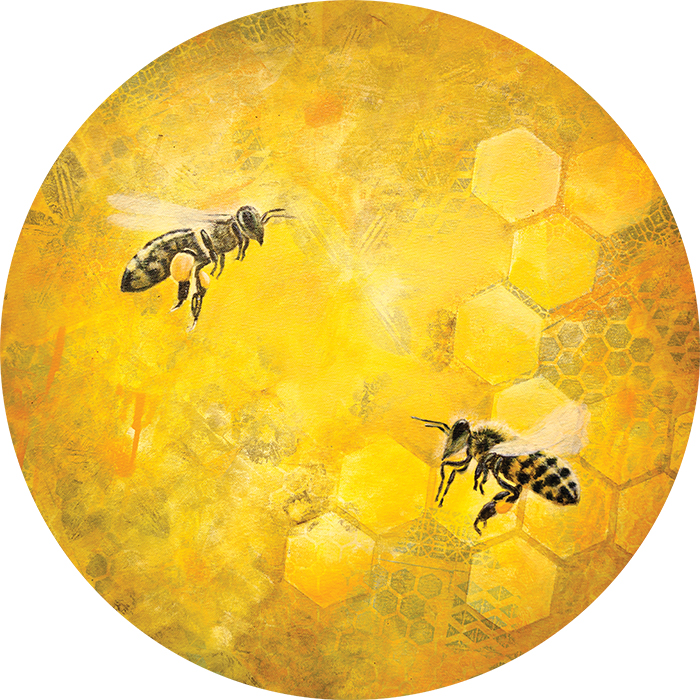
§1 No central authority is visible.
§2 Production proceeds.
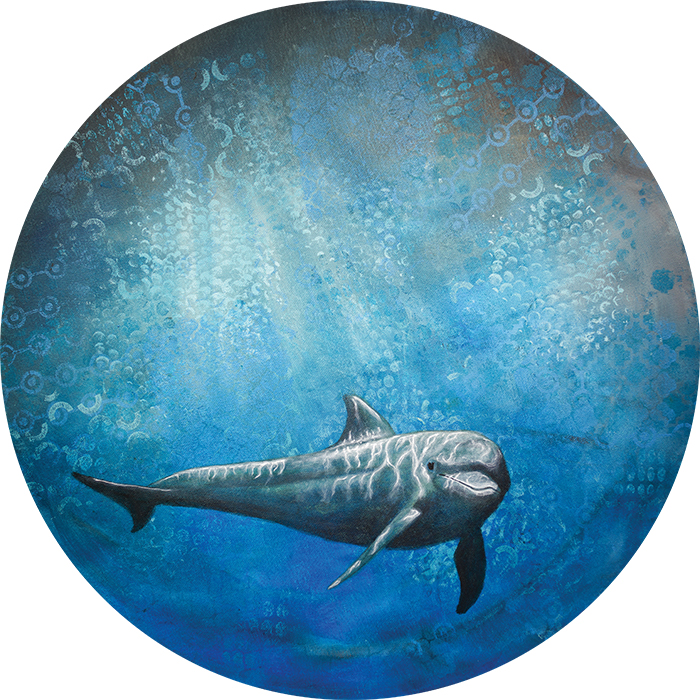
§1 Signals are exchanged.
§2 Meaning develops.

§1 No attempt is made to resolve the contradiction.
§2 It is sustained.
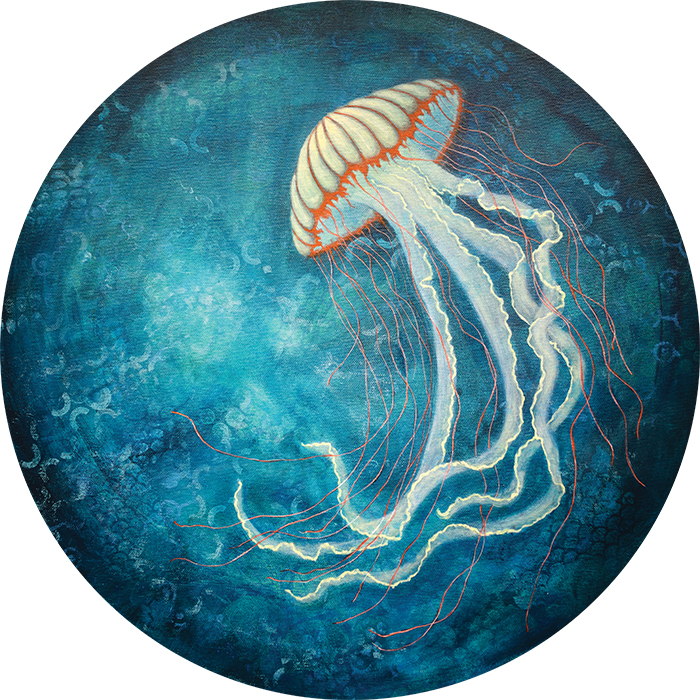
§1 No direction is given.
§2 Movement unfolds.

§1 Delay is possible.
§2 Hesitation is not.
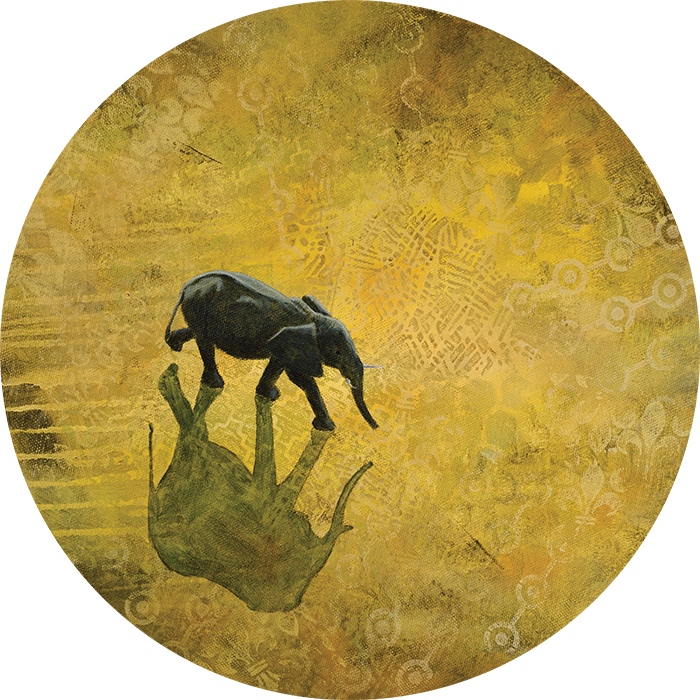
§1 Nothing is forgotten.
§2 The tales continue.
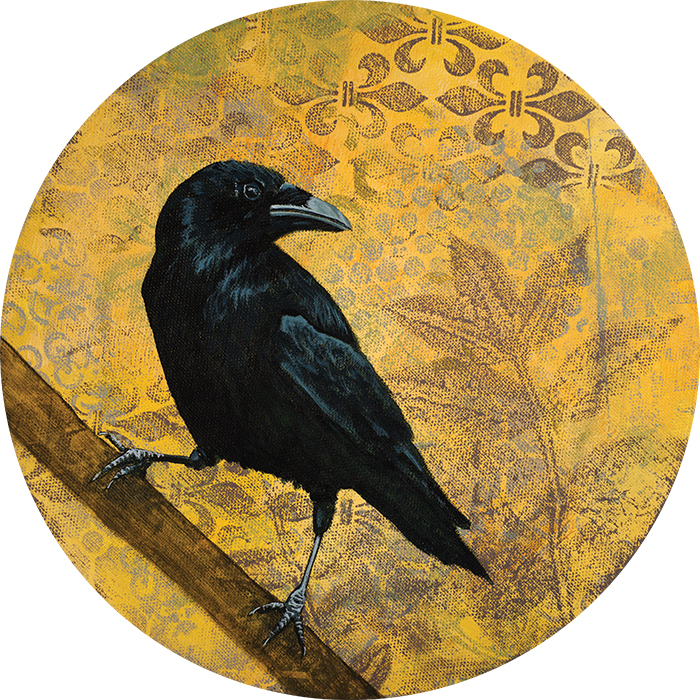
§1 Obstacles are engaged.
§2 Resolution is anticipated.
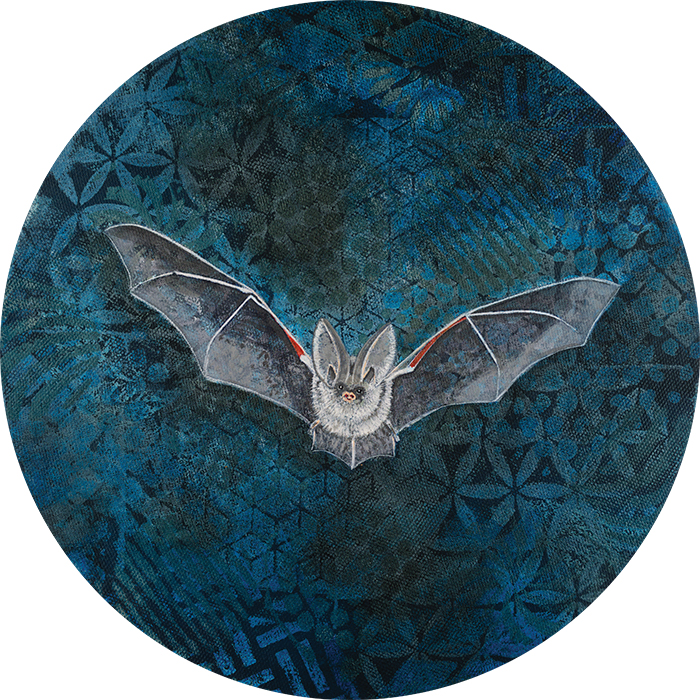
§1 Visibility is not required.
§2 Position is deducted.
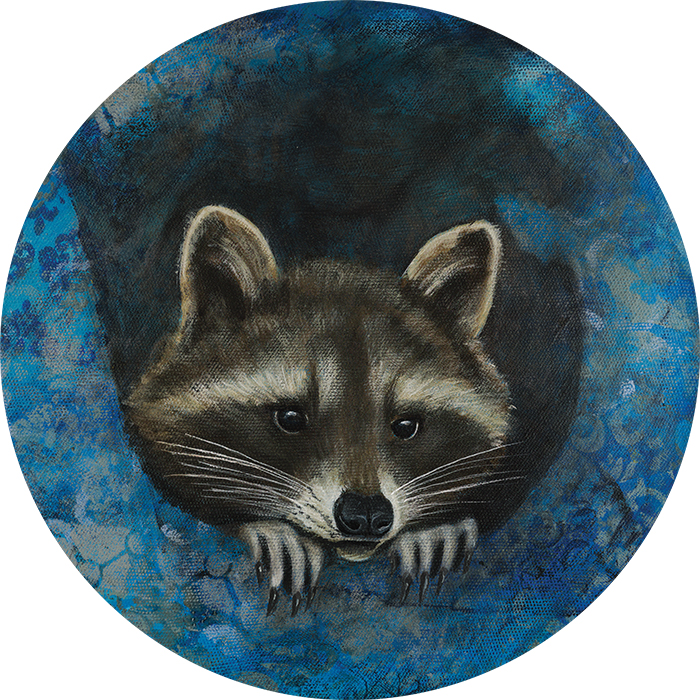
§1 Objects are examined.
§2 Contact is pursued.
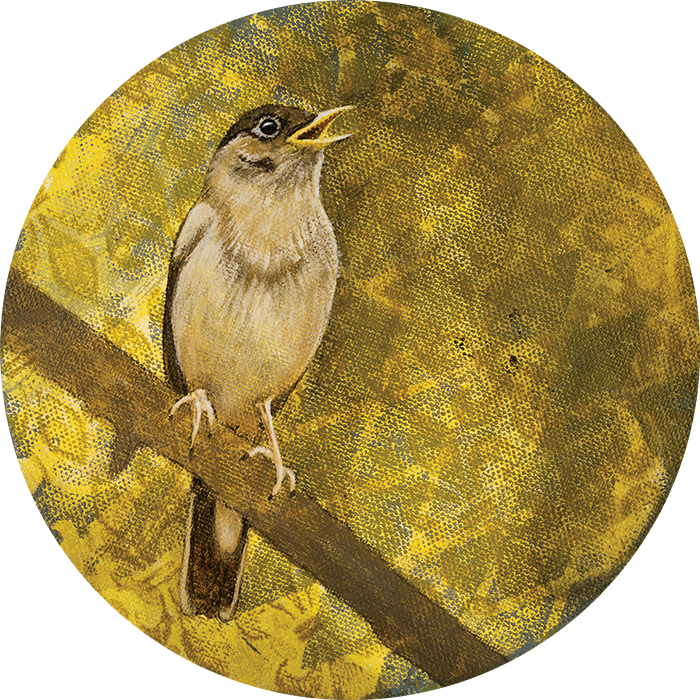
§1 Output is continuous.
§2 Reception is presumed.
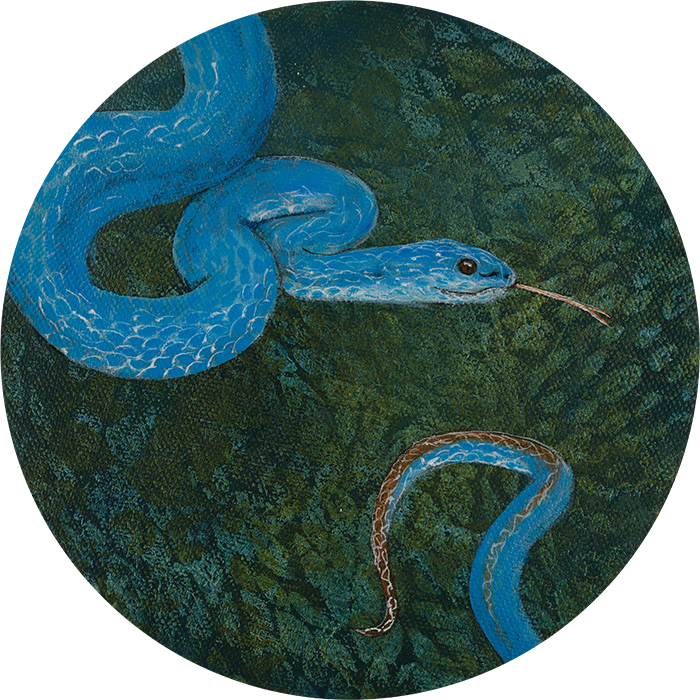
§1 What is no longer needed.
§2 Is discarded.
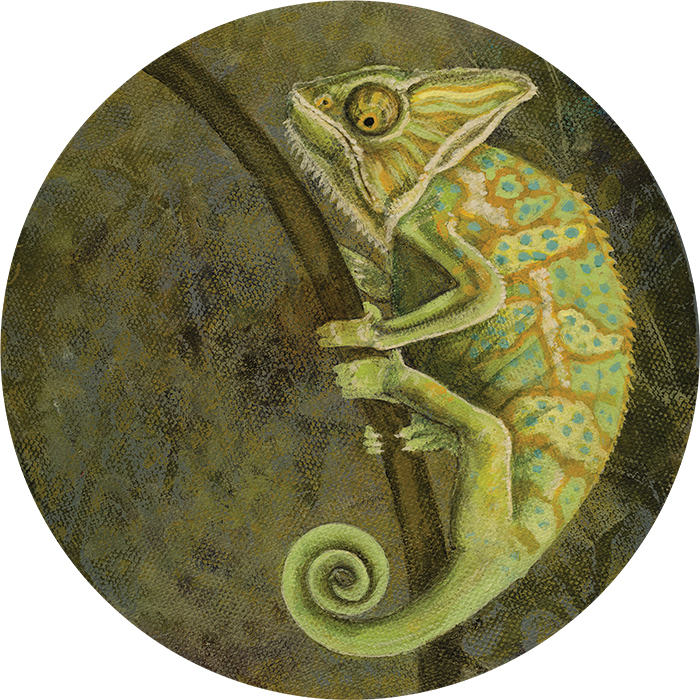
§1 Change is incremental.
§2 Presence is reduced.

§1 Position is exchanged.
§2 Exposure is distributed.
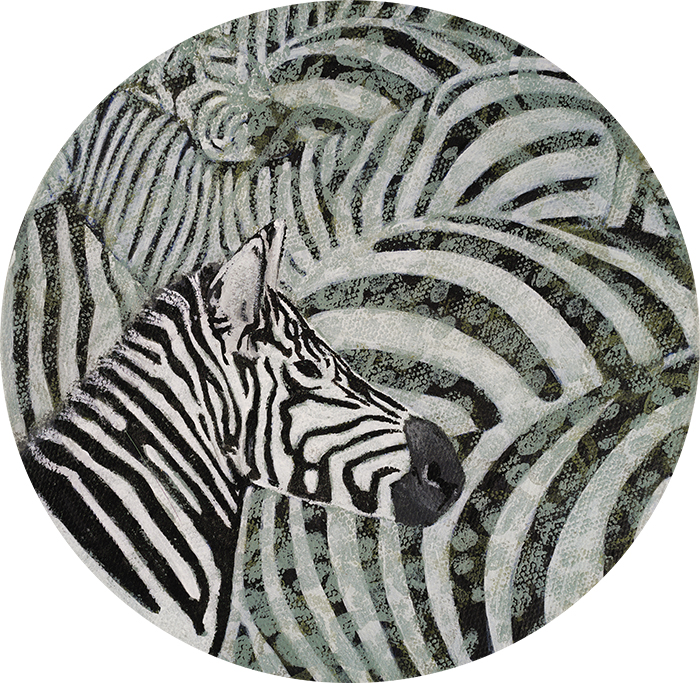
§1 Separation is minimized.
§2 Distinction is reduced.
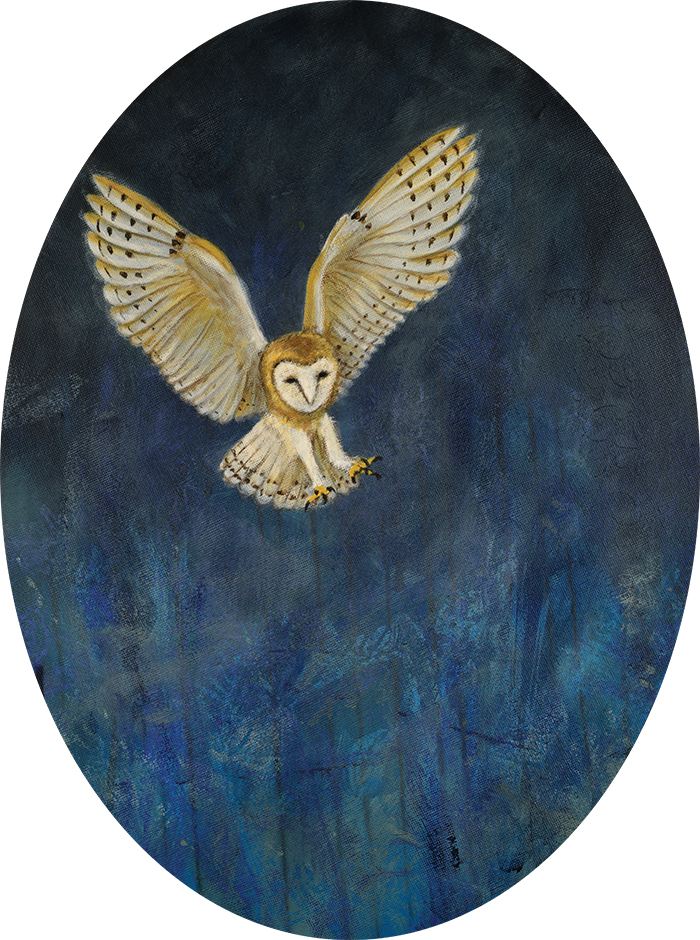
§1 No signal is emitted.
§2 Intervention is exact
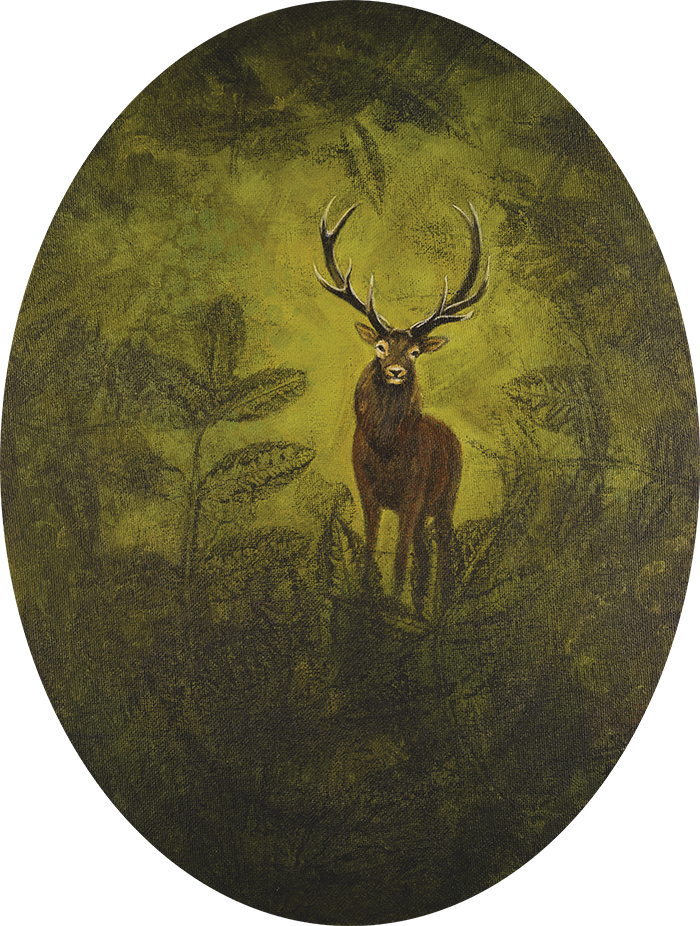
§1 Idleness is temporary.
§2 Movement remains available.
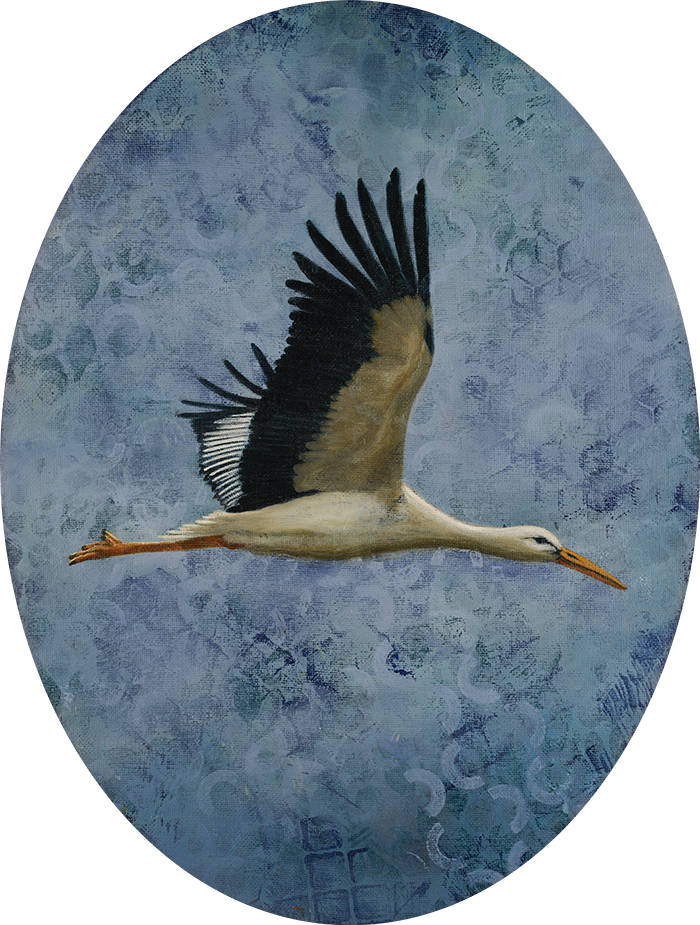
§1 Timing is collective.
§2 Reappearance follows conditions.
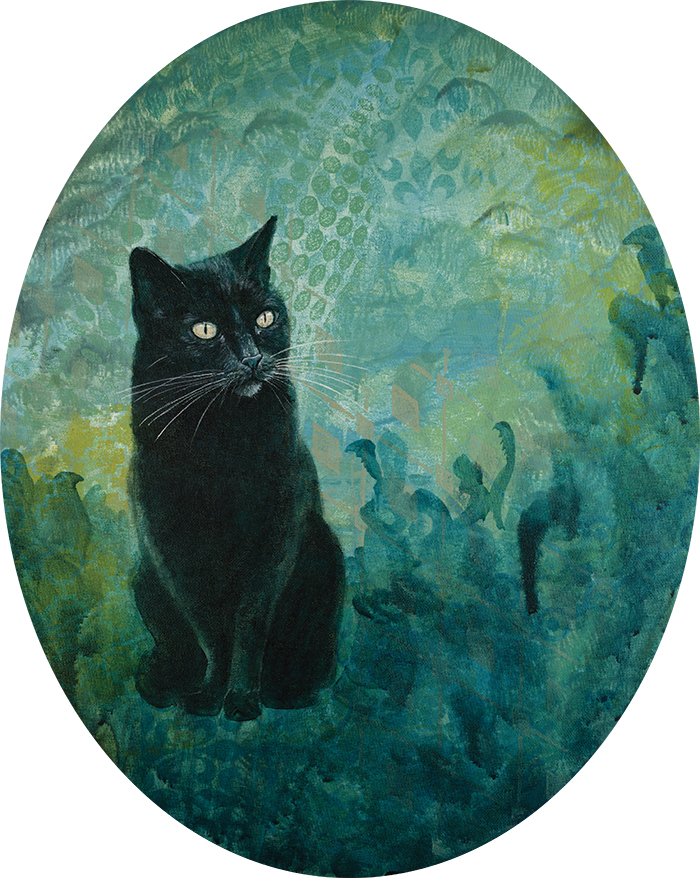
§1 Attention is not guaranteed.
§2 Contact is initiated selectively.
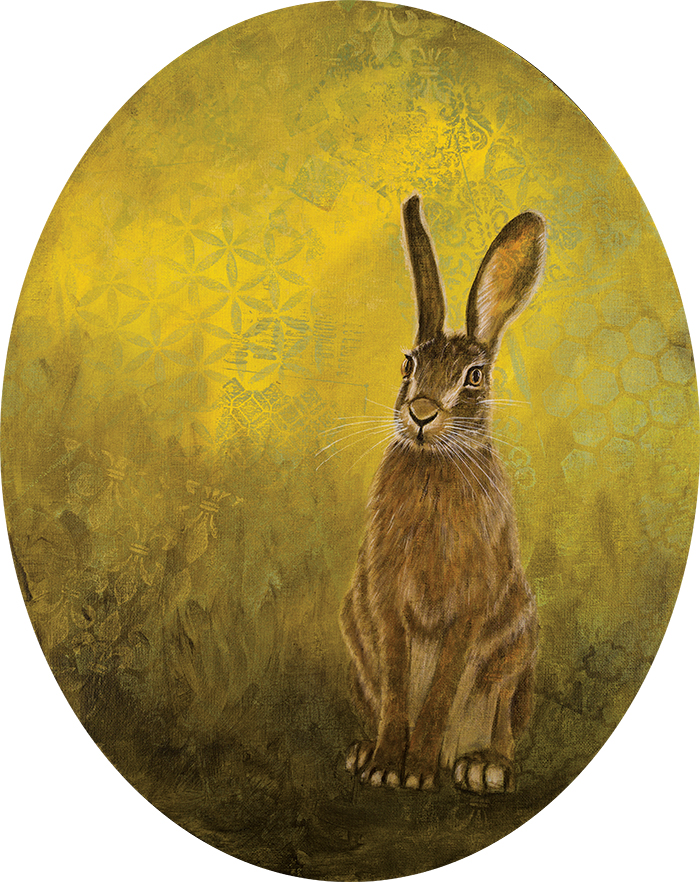
§1 Procreation is continuous.
§2 Limitation is temporary.